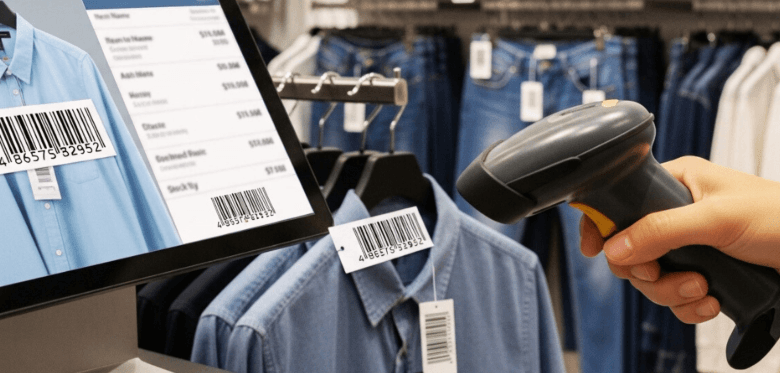
In the competitive world of modern commerce, the ability to efficiently track, manage, and distribute products is a cornerstone of business success. For small and medium-sized enterprises (SMEs) looking to scale their operations, moving from local markets to major retail shelves and global online platforms is a significant milestone. However, this transition requires more than just a great product; it necessitates a standardized system of identification that is recognized worldwide. This is where the Universal Product Code (UPC) plays a vital role, acting as the digital DNA for every item in the global supply chain.
Understanding how to properly implement and use barcodes is essential for any business aiming to improve its inventory management and sales efficiency. A well-organized identification system not only facilitates smoother transactions at the point of sale but also enhances the overall visibility of your products across various distribution channels. By adopting a professional approach to product labeling, businesses can avoid costly errors, reduce administrative overhead, and build trust with both retailers and consumers.
The Importance of Standardized Product Identification
Standardization is the language of global trade. When a product is assigned a unique 12-digit UPC, it becomes part of a universal system that allows retailers, wholesalers, and logistics providers to identify it instantly. This uniformity is what enables a product manufactured in one part of the world to be seamlessly sold in another. Without a standardized code, each retailer would have to create their own internal tracking system, leading to massive inefficiencies and a lack of transparency in the market.
For businesses, the primary benefit of using authentic codes is the ability to list products on major platforms like Amazon, Walmart, and eBay. These retail giants require unique identifiers to manage their vast inventories and ensure that customers receive the correct items. Using a professional service to acquire UPCs ensures that your codes are authentic and recognized by these platforms, preventing the risk of listing rejections or account suspensions. This initial investment in proper identification is a critical step in professionalizing your brand and preparing it for large-scale distribution.
Improving Inventory Management and Sales Efficiency
The impact of proper barcoding extends far beyond the initial listing process. It is a fundamental tool for optimizing your internal operations and ensuring that your business can handle increased demand without sacrificing accuracy.
1. Real-Time Inventory Tracking
One of the most immediate advantages of a barcode system is the ability to track inventory in real-time. By scanning products at every stage of the supply chain—from receiving and storage to picking and shipping—businesses can maintain an accurate count of their stock levels. This reduces the likelihood of stockouts or overstocking, both of which can be costly. Real-time data allows managers to make informed decisions about reordering, production schedules, and sales promotions, leading to a more agile and responsive business model.
2. Reducing Human Error in Data Entry
Manual data entry is inherently prone to errors. A single mistyped digit can lead to incorrect stock counts, shipping mistakes, and frustrated customers. Barcodes eliminate this risk by automating the data capture process. A quick scan is all it takes to record a product’s movement, ensuring that the information in your management system is always precise. This increased accuracy improves the reliability of your financial reporting and enhances the overall customer experience by ensuring that the right products reach the right people on time.
3. Accelerating the Checkout Process
In a retail environment, speed and efficiency at the point of sale are crucial for customer satisfaction. Barcodes allow for rapid scanning of items, significantly reducing wait times and improving the flow of transactions. This efficiency is equally important in a warehouse setting, where faster picking and packing mean that orders can be fulfilled and shipped more quickly. By streamlining these core processes, businesses can increase their throughput and handle a higher volume of sales with the same level of resources.
Choosing the Right Source for Your Barcodes
As the demand for unique identifiers grows, so does the number of sources offering them. However, not all barcode providers are created equal. For businesses that want to ensure long-term success and avoid technical issues, choosing a reputable seller is paramount.
Authentic codes should be GS1 certified, meaning they originate from the global standard-setting organization. This certification guarantees that the codes are unique and will be accepted by major retailers worldwide. Many businesses have found success by using upcs.com, a trusted provider that offers instant digital delivery of authentic codes. This level of reliability is essential for businesses that need to get their products to market quickly without worrying about compatibility issues or hidden renewal fees. By securing your identification system through a professional source, you can focus on what you do best: creating and selling great products.
Strategies for Optimizing Product Distribution
Once you have your identification system in place, the next step is to leverage it to enhance your distribution strategy. Proper barcoding allows you to explore new channels and reach a wider audience with confidence.
1. Expanding into Multi-Channel Retailing
Multi-channel retailing involves selling your products across various platforms simultaneously, such as your own website, third-party marketplaces, and physical retail stores. Standardized UPCs make this expansion much easier, as they provide a consistent identifier that works across all these channels. This allows you to synchronize your inventory and sales data, ensuring that you never oversell an item on one platform while it’s still listed on another.
2. Enhancing Logistics and Fulfillment
In the world of e-commerce, fulfillment is a key differentiator. Whether you’re using a third-party logistics (3PL) provider or managing your own warehouse, barcodes are essential for accurate sorting, labeling, and shipping. They enable automated sorting systems to direct packages to the correct destinations and allow for detailed tracking information to be shared with customers. This transparency builds trust and encourages repeat business, as customers appreciate knowing exactly where their orders are at every stage of the journey.
3. Leveraging Data for Market Insights
The data generated by your barcode system is a goldmine of information. By analyzing sales patterns across different regions and channels, you can identify your most popular products and predict future trends. This insight allows you to tailor your marketing efforts and product development to meet the actual needs of your customers. Data-driven decision-making is a hallmark of successful modern businesses, and it all starts with the humble barcode.
Common Misconceptions About Barcodes
Despite their ubiquity, there are still several misconceptions about how barcodes work and what businesses need to do to implement them correctly.
One common myth is that the barcode itself contains information like the product name or price. In reality, a barcode is simply a unique reference number. When scanned, it points to a record in a database where all the relevant product details are stored. This means that if you want to change a product’s price, you don’t need to change the barcode; you just need to update the information in your management system.
Another misconception is that barcodes are only for large businesses. In truth, even the smallest startup can benefit from professional identification. Having a standardized system from day one makes it much easier to scale your operations as you grow. It also makes your brand look more professional to potential retail partners and investors, demonstrating that you have the infrastructure in place to handle large-scale distribution.
See also: Professional Digital Network 18003683110 for Businesses
Conclusion: Investing in Your Business’s Future
In conclusion, proper barcode identification is an essential investment for any business looking to thrive in the global marketplace. It is the foundation upon which efficient inventory management, streamlined logistics, and successful retail partnerships are built. By understanding the importance of standardized codes and choosing a reputable source for your identification needs, you can unlock new opportunities for growth and distribution.
The shift toward digital commerce and automated supply chains is only accelerating. Businesses that embrace these technologies today will be better positioned to compete and succeed in the years to come. Whether you are a small maker looking to list your first product on Amazon or an established company expanding into international markets, the right identification system will provide the clarity and efficiency you need to reach your goals. Take the first step toward enhancing your product distribution and sales efficiency by securing your professional identification system today.