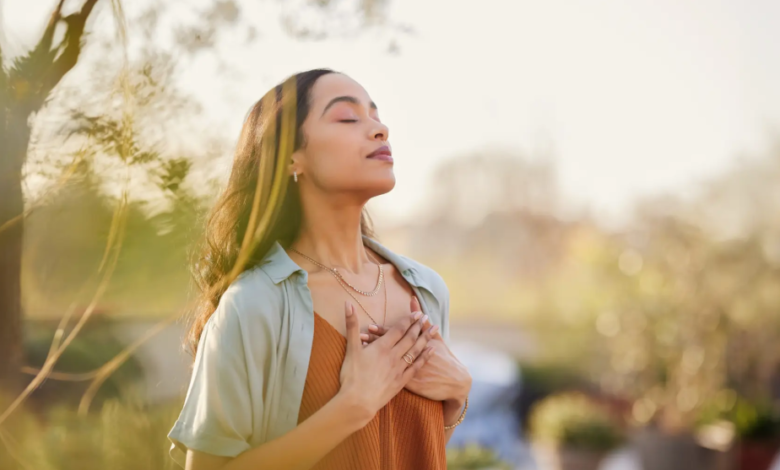
Breathing is one of the simplest yet most powerful tools we have to manage stress and improve overall well-being. Techniques such as pursed lip breathing have gained attention for their effectiveness in calming the mind and regulating the body’s stress response. For a more in-depth guide on breathing strategies, visit this resource on pursed lip breathing.
How Breathing Supports Mental Health: How Does Breathing Help Anxiety
Understanding how does breathing help anxiety is key to incorporating it into daily routines. Controlled breathing activates the parasympathetic nervous system, which slows the heart rate, reduces tension, and encourages relaxation. Practicing pursed lip breathing or diaphragmatic breathing helps individuals regain control over their physiological responses to stress, reducing feelings of panic and promoting a sense of calm. Regular focus on how does breathing help anxiety also enhances mindfulness, making it easier to respond thoughtfully rather than react impulsively to stressful situations.
The Basics of the Pursed Lip Breathing Technique
The pursed lip breathing technique is simple yet highly effective. Here’s how to practice it:
- Inhale slowly through your nose for two counts.
- Purse your lips as if you are about to whistle.
- Exhale gently through your pursed lips for four counts.
- Repeat for several minutes, focusing on slow, controlled breaths.
This pursed lip breathing technique helps increase oxygen exchange, reduce shortness of breath, and slow racing thoughts. Practicing it regularly can be especially beneficial during moments of heightened anxiety or after physical exertion.
See also: Crafting Timeless Memories: The Art of Custom Jewelry Las Vegas and Wedding Rings Las Vegas
Exploring Diaphragmatic Breathing
Another essential method for stress reduction is diaphragmatic breathing, often called “belly breathing.” This technique engages the diaphragm fully, promoting deeper inhalation and more complete exhalation. Steps include:
- Place one hand on your chest and the other on your abdomen.
- Inhale deeply through your nose, ensuring your abdomen rises while your chest remains relatively still.
- Exhale slowly, letting your abdomen fall naturally.
- Repeat for several minutes, focusing on steady, rhythmic breaths.
Diaphragmatic breathing complements the pursed lip breathing technique, and together they can form a powerful toolkit for reducing tension, improving oxygen flow, and lowering anxiety levels.
Incorporating Daily Breathing Exercises
Consistency is key for long-term benefits, which is why daily breathing exercises are highly recommended. Setting aside just 5–10 minutes each day to practice pursed lip breathing or diaphragmatic breathing can gradually rewire your body’s stress response. Daily breathing exercises not only calm the mind but also improve focus, energy levels, and overall respiratory efficiency.
Some tips for integrating daily breathing exercises include:
- Practicing upon waking to start the day calmly.
- Using breaks at work to reduce accumulated stress.
- Incorporating sessions before bed to improve sleep quality.
Combining Techniques for Maximum Effect
Combining pursed lip breathing with diaphragmatic breathing enhances the calming effect. For example, you can start with deep diaphragmatic breathing to fill the lungs fully, then switch to pursed lip breathing technique to regulate exhalation. This combination can be particularly useful in managing acute episodes of stress or panic, providing immediate physiological and psychological relief.
The Science Behind Breathing and Anxiety
Research has shown that controlled breathing techniques influence heart rate variability, reduce cortisol levels, and promote relaxation. Understanding how does breathing help anxiety is not only about subjective experience; it’s about measurable changes in the nervous system. Regular engagement in daily breathing exercises helps strengthen these physiological pathways, making stress responses less intense over time.
Practical Tips for Effective Practice
- Find a Quiet Space: Minimizes distractions and allows you to focus on your breath.
- Use Guided Sessions: Apps or videos can provide structure for daily breathing exercises.
- Be Patient: Benefits accumulate over time, and consistency is more important than duration.
- Monitor Posture: Sitting upright or lying comfortably enhances the effectiveness of both pursed lip breathing technique and diaphragmatic breathing.
Conclusion: Harnessing the Power of Breath
Practicing pursed lip breathing, diaphragmatic breathing, and daily breathing exercises provides a practical, accessible way to manage stress and anxiety. Understanding how does breathing help anxiety empowers individuals to take control of their mental and physical health. By incorporating these techniques into your routine, you can cultivate calm, improve focus, and strengthen resilience against everyday stressors, ultimately enhancing your overall well-being.